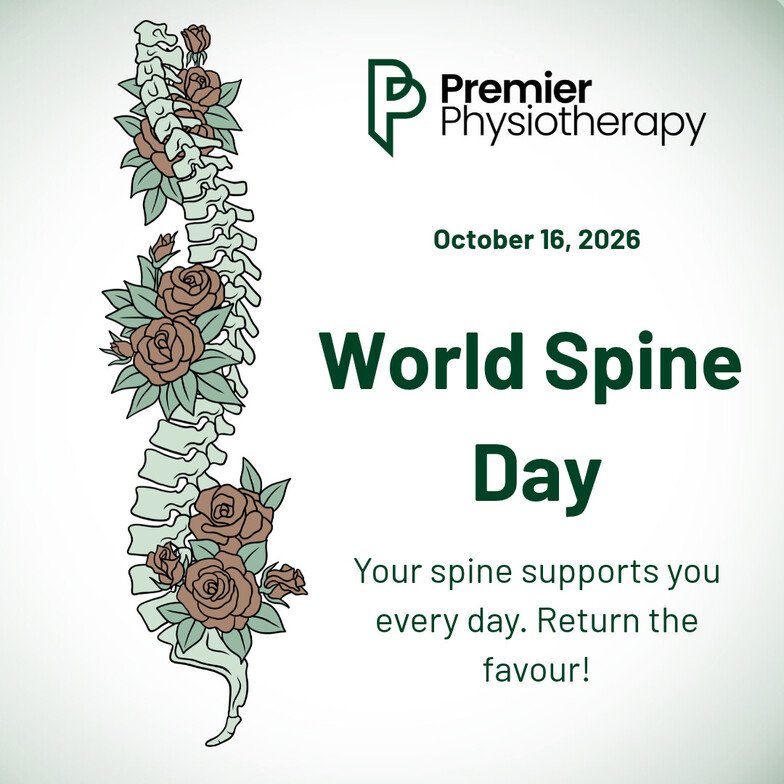
World Spine Day is October 16, An annual day that highlights the importance of spinal health and encourages people to learn more about preventing and managing spinal conditions.
Your spine plays an important role in everyday movement. It helps support your body, allows you to bend and rotate, and protects the spinal cord. From sitting at a desk to walking, lifting, exercising, and playing sports, your spine is involved in many of the activities you do each day.
Spinal discomfort is common, but persistent pain, stiffness, or changes in movement should not always be dismissed as something you simply have to live with.
What Can Affect Your Spine?
Spine pain can have many possible causes. Some common factors include:
- Muscle or joint irritation
- Repetitive movements or physical demands
- Changes in activity levels
- Prolonged sitting or standing
- Previous injuries
- Reduced strength or mobility
- Work-related physical demands
- Sports and recreational activities
- Age-related changes
Back and neck pain can alos vary considerably from person to person. The cause of symptoms and the factors contributing to them can be different for each individual. This is one reason an individualized assessment can be useful when determining appropriate care.
Keeping Your Spine Moving
One of the simplest ways to support spinal health is to maintain regular physical activity. This does not necessarily mean doing intense workouts. Walking, strength exercises, mobility exercises, recreational activities, and other forms of movement can all be part of an active lifestyle.
If you spend much of your day sitting, changing positions regularly and taking movement breaks can also help you avoid staying in one position for extended periods.
Your activities should be appropriate for your current abilities and health needs. If you are returning to activity after an injury, surgery, or a period of reduced mobility, gradually increasing activity may be appropriate.
When Should You Consider Physiotherapy for Back or Neck Pain?
Some episodes of back or neck pain improve with time and appropriate activity. However, physiotherapy may be considered when pain or stiffness is affecting your ability to move, work, exercise, sleep, or participate in everyday activities.
A physiotherapy assessment may look at factors such as:
- Your symptoms and health history
- Movement and mobility
- Strength and physical function
- Activities that increase or decrease your symptoms
- Your work, recreationm or sport
- Your goals and concerns
Based on the assessment, a physiotherapist can discuss treatment and rehabilitation options that are appropriate for your presentation and goals. Physiotherapy may include education, exercise, movement-based rehabilitation, manual therapy, and other interventions when clinically appropriate.
Spinal Health Changes Throughout Life
Spine health can look different at different stages of life.
For younger adults, physical activity, sports, work, and prolonged periods of sitting may influence parts of staying active and independent.
For older adults, maintaining strength, mobility, balance, and physical activity can be important parts of staying active and independent.
Age-related changes on their own do not necessarily mean that pain or reduced function should simply be accepted. If symptoms are affecting your daily activities, discussing them with an appropriate healthcare professional can help you understand your options.
Spine Health in Ottwa
For people living in Ottawa and surrounding communities, physiothotherapy can be one option for managing musculoskeletal concerns involving the back and neck.
At Premier Physiotherapy Clinic in Ottawa, physiotherapy services include assessment and rehabilitation for musculoskeletal and orthopaedic conditions. Treatment plans are individualized based on each person's presentation, needs, and goals.
Whether back or neck discomfort is affecting your work, exercise, walking, recreational activities, or everyday life, an assessment can help identify factors that may be contributing to your symptoms and determine whether physiotherapy is appropriate.
Frequently Asked Questions About Spine Health and Physiotherapy
What is World Spine Day?
World Spine Day takes place annually on October 16 and raises awareness about spinal health, spinal conditions, and the importance of maintaining healthy movement and physical activity.
Can physiotherapy help with back pain?
Physiotherapy may be appropriate for some people experiencing back pain. A physiotherapist can assess your symptoms, movement, strength, function, and goals and discuss treatment and rehabilitation options that may be appropriate.
What does a physiotherapy assessment for back pain involve?
A physiotherapy assessment may include questions about your symptoms and health history, followed by an assessment of movement, mobility, strength, and function. Your physiotherapist may also discuss your work, activities, exercise, and goals.
Is physiotherapy only for people with severe back pain?
No. Physiotherapy may be appropriate for people with a range of musculoskeletal concerns. The appropriate approach depends on the individual's symptoms, presentation, health history, and goals.
Should I stop exercising if my back hurts?
Not necessarily. Whether you should modify or continue a particular activity depends on your symptoms and individual circumstances. A healthcare professional can help you determine an appropriate approach.
Can phyhsiotherapy help with neck pain?
Physiotherapy may be appropriate for some types of neck pain. An assessment can help identify factors affecting your movement and function and determine whether physiotherapy is appropriate.
Does getting older mean back pain is inevitable?
No. Changes to the spine occur with age, but experiencing pain or significant loss of function should not automatically be considered an unavoidable part of getting older. If symptoms are affecting your daily life, consider discussing them with an appropriate healthcare professional.
When should I see a physiotherapist for back pain in Ottawa?
Consider speaking with a physiotherapist if back or neck symptoms are affecting your movement, work, exercise, recreation, or everyday activities. A physiotherapy assessment can help determine whether physiotherapy is an appropriate option for your situation.
.jpg)