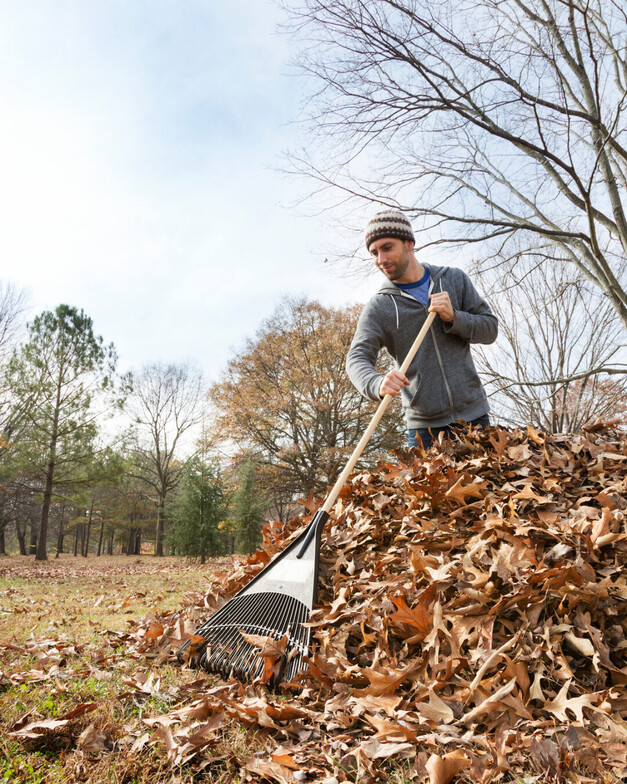
Fall in Ottawa means crisp mornings, colourful trees, pumpkin everything and, of course, leaves. Lots of leaves. One day your lawn looks perfectly clear. The next day, it looks like the trees have declared war. Raking leaves may seem like a simple household chore, but it can actually be a surprisingly physical activity. You are repeatedly reaching, pulling, bending, twisting, walking and eventually lifting bags or bins.
If your body is not used to that amount of activity, your back, shoulders, neck and arms may notice. The good news? You do not have to give up your favourite fall chore. A few simple strategies can make raking more comfortable and help you manage the physical demands of yard work.
Why Does Raking Leaves Make You Sore?
Raking involves a lot of repetitive movement. You migth spend an hour or two:
- Reaching forward with a rake
- Pulling leaves toward you
- Rotating your body
- Bending down
- Carrying bags or bins
- Dragging piles across the yard
- Repeating the same movement hundreds of times
This is quite a workout for something that technially lives on your weekend chore list. Back discomfort is one of the common complaints associated with raking, but your shoulders, neck and arms can also become sore from repetitive movements. If you have spent most of the summer avoiding yard work, jumping straight into a three-hour raking marathon may be asking a lot from your body.
1. Warm Up Before You Rake
You do not need to perform a 30 minute stretching routine before attacking the backyard. A few minutes of movement can help you get ready for the activity.
Try:
- A short walk
- Gentle squats
- Shoulder circles
- Easy trunk movements
- A few controlled reaches
Think of it as telling your body, "We're going outside. And yes, we're doing yard work."
2. Avoid Staying in One Position
One of the easiest ways to make raking harder on your body is to stay in the same position for too long.
Try to:
- Change your stance regularly
- Switch which hand is higher on the rake
- Take a few steps instead of reaching as far as possible
- Take regular breaks
Changing positions can help distribute the workload rather than repeatedly stressing the same muscles and joints.
3. Let Your Feet Help You
Your rake may have a long handle, but that does not mean you should use it to reach halfway across the yard. Instead of repeatedly twisting your trunk to reach leaves, move your feet and position yourself closer to the area you are working on.
This may sound obvious, but when you are trying to finish before the next pile of leaves fall, it is easy to start stretching, twisting and reaching farther that you normally would.
4. Keep the Rake Close
Try to keep the rake within a comfortanle working distance rather than reaching as far forward as possible.
Shorter, controlled strokes can reduce the amount of reaching and twisting involved.
5. Take Breaks Before You Need One
This is an important one. You do not have to finish the entire yard in one afternoon. Take a break, have some water, walk around and give your body a chance to recover. You can also divide the job into smaller sections
Saturday: front yard
Sunday: backyard
Next weekend: wonder where all those leaves came from
Raking is repetitive physical activity, so pacing yourself can be helpful.
6. Be Careful With Wet Leaves
A pile of dry leaves may look light. A bag full of wet leaves? Thats a different story. Wet leaves can become considerably heavier, making bags, bins and piles more difficult to move.
When lifting
- Keep the load manageable
- Bend through your hips and knees
- Keep the load close to your body
- Avoid twisting while lifting
- Turn your whole body rather than rotating while carrying.
7. Don't Forget Your Shoulders
Raking is not just a back workout. Your shoulders and arms do plenty of work too. If you notice your shoulders becoming tired, take a break and change your position or task. Alternating between raking, collecting leaves and walking around the yard can also give different muscle groups a chance to work.
What If Your Back Hurts After Raking?
A little muscle soreness after doing an activity that your body is not accustomed to can happen. However, pay attention to symptoms that are significant, persistent or interferring with your normal activities. If pain continues, worsens, or is making it difficult to move normally, work, sleep or participate in your usual activities, an assessment by a healthcare professional may be appropriate.
A physiotherapist can assess your movement, strength, mobility and functional abilities to help determine whether physiotherapy is appropriate.
How Can Physiotherapy Help With Raking-Related Pain?
Physiotherapy is not just about treating sport injuries. If raking leaves have left you with back, neck shoulder or other musculoskeletal symptoms, a physiotherapy assessment can look at factors such as:
- Strength
- Mobility
- Movement patterns
- Exercise tolerance
- Functional limitations
- How your symptoms affect everyday activities
Depending on your presentation and goals, physiotherapy may include exercise, education, manual therapy and strategies for gradually returning to activities.
At Premier Physiotherapy Clinic in Ottawa, treatment plans are individualized based on your presentation and goals.
Raking Leaves Can Actually Be Good Exercise
There is a silver lining to all those leaves. Yard work such as raking can contribute to physical activity, and Ottawa Public Health includes activities such as yard work among activities that can helop keep your legs active.
So while raking can be physically demanding, it can also be a way to get moving outdoors. the key is to treat it like physical activity rather than assuming it is effortless because it is a household chore.
Your Ottawa Fall Raking Checklist
Before heading outside, remember:
Warm up with a few minutes of movement
Wear comfortable clothing and appropriate footwear
Keep the rake reasonably close to your body
Avoid repeatedly twisting to reach leaves
Change your stance and hand position
Take regular breaks
Keep leaf bags manageable
Be extra careful with wet leaves
Stop if you develop significant pain or other concerning symptoms
Remember that you don't have to rake the entire yard in one afternoon!
Frequently Asked Questions About Raking and Physiotherapy
Can raking leaves cause back pain?
Raking involves repetitive reaching, pulling, bending and sometimes twisting. Doing more physical activity than your body is accustomed to can contribute to muscle soreness or musculoskeletal discomfort. Using appropriate technique and pacing your activity can help you manage the physical demands of yard work.
How can I prevent back pain while raking leaves?
Warm up before starting, avoid excessive reaching and twisting, change positions regularly, keep loads manageabe and take breaks. Moving your feet rather than repeatedly twisting your body can also help you work in a more comfortable position.
Should I stretch before raking leaves?
A short warm-up involving gentle movement can help prepare your body for physical activity. This could include walking and controlled movements of your shoulders, hips and trunks.
How long should I rake leaves?
There is no single amount of time that is appropriate for everyone. If you are not accustomed to yard work, consider starting with a shorter period and taking regular breaks rather than trying to finish everything at once.
What should I do if my back hurts after raking?
If you develop mild soreness, you may find that reducing the activity and continuing with comfortable everyday movement is helpful. If pain is significant, persists, worsens or affects your normal activities, consider speaking with a healthcare professional.
Can physiotherapy help with back pain from raking leaves?
Physiotherapy may be appropriate for some types of back pain and other musculoskeletal symptoms. An assessment can help determine what may be contributing to your symptoms and whether physiotherapy is appropriate for your situation.
When should I see a physiotherapy for raking-related pain?
Consider an assessment if pain continues to interfere with your everday activities, keeps returning when you perform yard work, or is limiting your movement. New or concerning symptoms should be assessed by an appropriate healthcare professional.