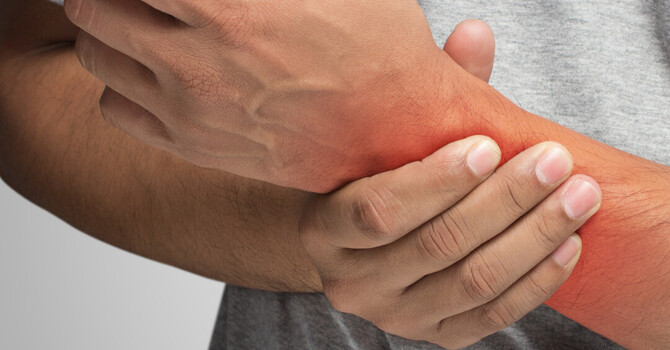
Pain is one of the body's way of letting us know that something may need attention. Sometimes, it starts suddenly after a fall, sport injury, or an awkard movement. Other times, pain sticks around for months, even after an injury has healed.
Understanding the difference between injury pain and chronic pain can help you make sense of your symptoms and understand what treatment options may be appropriate.
At Premier Physiotherapy Clinic in Ottawa, physiotherapy assessment and rehabilitation can help people experiencing both recent injuries and persistent pain. Understanding your symptoms, daily activities, and personal goals is an important part of developing an individualized approach to care.
What Is Injury Pain?
Injury pain is pain that develops following damage to, or irritation of, body tissues. It may occur after an accident, fallm a sports injury, or a sudden increase in physical activity.
For example, you might experience injury-related pain after:
- Spraining your ankle while playing soccer
- Straining a muscle while lifting something heavy
- Irritating your shoulder during an overhead movement
- Injuring your back while gardening or shovelling snow
In many cases, this type of pain is considered acute pain, particularly when it begins suddenly and lasts for a relatively short period.
What Does Injury Pain Feel Like?
Depending on the injury, symptoms may include:
- Sharp or aching pain around the affected area
- Swelling or bruising
- Tenderness when touching or moving the area
- Reduced strength or range of motion
- Pain that increases with certain movements or activities
Acute pain often improves as the affected tissues recover. However, recovery time varies depending on the type and severity of the injury, overall health and other individual factors.
It is also important to remember that not every injury causes obvious swelling or bruising, and pain intensity does not always reflect the extent of tissue damage.
What Is Chronic Pain?
Chronic pain is generally defined as pain that persists or recurs for longer than three months. Unlike acute pain, which often serves as a warning signal during an injury, chronic pain continue after the orginal injury has healed or wen there is no clear ongoing tissue damage to explain the symptoms fully.
Chronic pain is a real and complex experience. It can involve changes in how the nervous system processes pain signals, as well as physical, psychological, and social factors that influence how pain is experienced.
Examples of conditions that may involve chronic pain include:
- Persistent lower back pain
- Osteoarthritis-related pain
- Long standing neck or shoulder pain
- Persistent pain following an injury or surgery
- Some forms of nerve-related pain
- Fibromyalgia
What Does Chronic Pain Feel Like?
Chronic pain can affect people differently. Symptoms may include:
- A constant ache or intermittent pain
- Stiffness or difficulty moving
- Increased sensitivity to touch or pressure
- Flare-ups that vary from day to day
- Fatigue or disrupted sleep
- Difficulty completing work, household tasks, exercise, or hobbies
Some people experience pain that changes in intensity or location. Others find that activities they previously managed comfortably become more challenging.
Chronic pain does not mean the pain is imagined or that nothing can be done to help. It means the pain experience may be more complex than the body's immediate response to an injury.
Chronic Pain vs. Injury Pain: Key Differences
Although injury pain and chronic pain can overlap, there are some general differences.
These are general patterns rather than strict rules. Acute pain does not always follow an obvious injury, and chronic pain can occur alongside an ongoing tissue problem. A physiotherapy assessment or medical evaluation can help determine what may be contributing to your symptoms.
Why Can Pain Continue After an Injury Has Healed?
One of the most frustrating experiences for someone with persistent pain is feeling discomfort longer after the expected healing period.
There are several possible reasons for this.
1. The Nervous System Can Become More Sensitive
The nervous system helps detect and process information from the body. In some people, it becomes more responsive to signals associated with pain. This process, sometimes called sensitization, can contribute to pain from movements or sensations that were previously comfortable.
It does not mean the pain is less real. It means that changes in how the nervous system processess signals may be contributing to the experience.
2. Movement and Activity Patterns May Change
After an injury, people often adjust how they move to protect a painful area. These changes can be helpful early in recovery.
However, avoiding movement for long periods may contribute to reduced strength, mobility, or confidence with certain activities. Returning to activity gradually, when appropriate, may help rebuild physical activity.
This does not mean pain is caused by doing something wrong. It means that the way the body responds to pain and activity can influence recovery.
3. An Underlying Condition May Still Be Present
Sometimes, persistent pain reflects an ongoing issue. For this reason, persistent pain should not automatically be attributed to nervous system sensitivity or an old injury. An appropriate assessment can help identify possible contributing factors and determine whether further medical investigation is needed.
How Can Physiotherapy Help With Injury Pain?
Physiotherapy can play a role in rehabilitation following many musculoskeletal injuries. Depending on the injury and individual needs, treatment may include:
- Education: Understanding the injury, expected recovery, and ways to manage symptoms.
- Therapeutic exercise: Gradually rebuilding strength, mobility, balance, or endurance
- Activity modification: Adjusting daily tasks, work duties, or sport participation while recovery progesses.
- Manual therapy: Hands on techniques when appropriate to help address symptoms and movement limitations.
- Progessive rehabilitation: Gradually returning to activities based on recovery, function, and individual goals.
The appropriate approach depends on the nature of the injury, its severity, and the person's overall health. Some injuries also require medical assessment or imaging before rehabilitation progresses.
How Can Physiotherapy Help With Chronic Pain?
Chronic pain management often requires a different approach from rehabilitation for a recent injury. Instead of focusing only on the painful area, treatment may consider how pain affects movement, sleep, physical activity, and everyday life.
At Premier Physiotherapy Clinic in Ottawa, an individualized physiotherapy plan may include the following approaches when appropriate.
1. Understanding Your Pain
Learning about pain and the factors thay may influence it can help you make informed decisions about activity and recovery. A physiotherapist can discuss your symptoms, movement patterns, daily demands, and goals to help identify potential areas to address.
2. Gradual Exercise and Movement
When appropriate, exercise can help maintain or improve strength, mobility, endurance, and confidence with movement. For people living with chronic pain, activity may need to progress gradually. The goal is to find a manageable starting point and adjust based on individual responses rather than following a one size fits all program.
3. Building Tolerance for Everyday Activities
Chronic pain can make ordinary tasks feel difficult, from walking and climbing stairs to working, gardening, or playing with family. Rehabilitation can focus on gradually improving tolerance for meaninful activities and developing strategies to manage changes in symptoms.
4. Developing Strategies for Flare-Ups
Pain levels can fluctuate, even when someone is following an appropriate rehabilitation plan. A physiotherapist may help you identify patterns, pace activities, adjust exercise when needed, and establish a manageable approach to flare-ups. The aim is to support function and participation in daily life while recognizing that progress may vary from person to person.
5. Working With Other Healthcare Professionals
Chronic pain can be complex and may benefit from a coordinated approach. Depending on your circumstances, this coud involve your family physician, specialist, physiotherapist, or other healthcare professionals. Physiotherapy is one part of chronic pain management and may be combined with other treatments when apropriate.
Should I Stop Exercising If You Have Pain?
Not necessarily. Pain does not always mean that movement is causing damage, but it is important to understand what may be causing the symptoms. For some acute injuries, temporarily modifying or avoiding certain activities is necessary to protect healing tissues. With many persistent pain conditions, appropriately selected and gradually progressed activity can be part of rehabilitation. The right level of activity depends on the condition, symptoms, and stage of recovery.
If exercise causes a substantial or prolonged increase in symptoms, your program may need to be adjusted. New, severe, or unexplained pain should be assessed rather that simply pushed through.
Physiotherapy for Chronic Pain and Injuries in Ottawa
Whether pain started recently or has been affecting you for months, understanding the factors contributing to your symptoms is an important first step.
At Premier Physiotherapy Clinic in Ottawa, physiotherapy assessment and rehabilitation are tailored to each person's presentation, activity level, and goals. Depending on your needs, treatment may focus on recoverying from an injury, improving mobility and strength, managing persistent pain, or returning to meaningful daily activities.
You do not need to have a sport injury to benefit from rehabilitation. Persistent back pain, joint discomfort, reduced mobility, and pain that interferes with everyday routines may also warrant an assessment.
To learn more about our services, visit Premier Physiotherapy Clinc or explore our Chronic pain management services.
Frequently Asked Questions
What is the difference between chronic pain and acute injury pain?
Acute injury pain often begins suddenly and is associated with tissue injury. Chronic pain persists or recurs for longer than three months and may continue after an injury has healed. However, the two can overlap, and persistent pain may also involve an ongoing medical condition.
Can an old injury cause chronic pain?
Yes. Some people continue to experience pain after an injury has healed. Changes in nervous system sensitivity, reduced physical capacity, ongoing tissue problems, and other factors may contribute. The cause varies between individuals.
Does chronic pain mean something is still damanged?
Not necessarily. Chronic pain can persist without ongoing tissue damage being the main cause. However, some conditions do involve continuing tissue or joint problems. An appropriate assessment can help determine which factors may be contributing.
Can physiotherapy help with chronic pain?
Physiotherapy may help individuals living with chronic pain improve their mobility, build strength, increase their tolerance for physical activity, and manage daily tasks. Treatment is tailored to each person's symptoms, conditions, and goals, and outcomes can vary from person to person.
Is it safe to exercise with chronic pain?
For many people, appropriately selected amd gradually progressed exercise can be part of chronic pain management. The right approach depends on the underlying condition and individual symptoms. A physiotherapist or other healthcare professionals can help determine an appropriate starting point.
When should I see a physiotherapist for persistent pain?
Consider an assessment if pain is affecting your mobility, sleep, work, exercise, or everyday activities, or symptoms are not improving as expected. New, unexplained, or worsening symptoms may also require medical evaluation.
Can chronic pain go away completely?
Some people experience substantial improvement or resolution of their pain, while others continue to have symptoms that require ongoing management. Outcomes depend on many factors, and no single treatment can gurantee that chronic pain will disappear. Rehabilitation can focus on improving function and help people participate in activities that matter to them.
Where can I find chronic pain physiotherapy in Ottawa?
Premier Physiotherapy Clinic in Ottawa provides individualized physiotherapy assessment and rehabilitation for musculoskeletal conditions, including persistent pain. The appropriate treatment approach is determined by your presentation, needs, and goals.