You step off a curb and your ankle rolls. You reach for something and feel a sudden pull in your back. You land awkwardly during a game of hockey, soccer, or basketball.
Sprain or strain?
These two words are often used interchangeably, but they actually describe different types of injuries. Both are common and can happen during sports, exercise, work, or everyday activities. The good news is that understanding what happened can help you make informed decisions about what to do next.
What Is a Sprain?
A sprain is an injury to a ligament
Ligaments are strong bands of connective tissue that connect one bone to another and help provide stability around a joint. Sprains can occur when a joint is suddenly forced beyone its normal range of motion.
Common examples include
- Ankle sprains
- Knee sprains
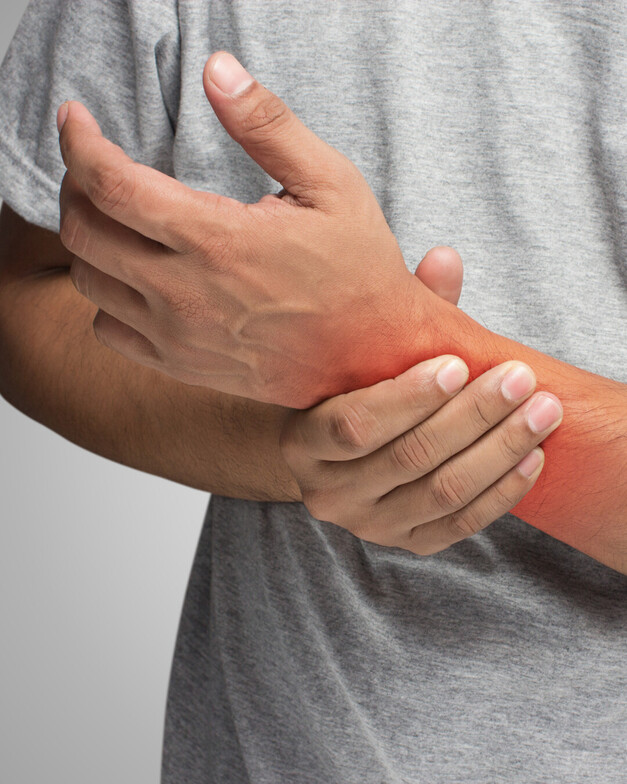
- Wrist sprains
- Thumb sprains
- Finger sprains
An ankle sprain, for example, can happy when your foot rolls inward while walking, running, jumping, or landing.
Symptoms can include:
- Pain around the joint
- Swelling
- Bruising
- Tenderness
- Reduced movement
- Difficulty putting weight through the affected area
- A feeling of instability
The severity of a sprain can vary. Some injuries involve stretching of the ligament, while others involve a partial or complete tear.
What Is a Strain?
A strain involves a muscle or tendon.
Tendons connect muscles to bones, while muscles produce movement and help support your joints. A strain can happen when a muscle or tendon is suddenly overloaded, stretched beyone its capacity, or repeatedly stressed.
Common examples include:
- Hamstring strains
- Calf strains
- Groin strains
- Back muscle strains
- Shoulder strains
Symptoms may include:
- Localized pain
- Tenderness
- Muscle weakness
- Swelling
- Bruising
- Pain with movement
- Difficulty using the affected muscle
Strains can happen during sports, lifting, work activities, or everyday movements.
Sprain vs. Strain: What's the Difference?
The easiest way to remeber the difference is:
Sprain = ligament
Strain + muscle or tendon
Both injuries can cause pain, swelling, weakness, and reduced movement, so it is not always possible to determine the exact injury simply by how it feels. An assessment may be appropriate when symptoms are significant, persistent, or affecting your ability to use the injured area.
What Should You Do After a Sprain or Strain?
Your first instinct may be to completely stop using the injuries area. However, complete rest is not always necessary. The appropriate approach depends on the type and severity of the injury. Initally, it may be helpful to:
Protect the injured area
Avoid activities that significantly increase your symptoms, particularly movements that could cause further injury.
Keep moving within your abilities
Gentle movement may help maintain mobility when appropriate. The amount and type of movement should depends on the injruy.
Gradually return to activity
As symptoms improve, activity can often be gradually increased. Returning to running, sports, lifting, or other demanding activities may increase symptoms or place additional stress on healing tiisues.
Pay attention to how your body responds
A little discomfort during rehabilitation does not necessarily mean that you are causing damage, but significant or worsening pain should be addressed. If you are unsure what level of activity is appropriate, a physiotherapist or other healthcare professional can help guide you.
When Should You See a Physiotherapist for a Sprain or Strain?
Not every minor sprain or strain requires physiotherapy. However, you may consider a physiotherapy assessment if your injury is affecting your ability to:
- Walk normally
- Use your arm or hand
- Go up and down stairs
- Work
- Exercise
- Play sports
- Sleep comfortably
- Complete everyday activities
Physiotherapy can also be useful when you are unsure how to safely return to your usual activities.
A physiotherapist may assess your:
- Range of motion
- Strength
- Joint mobility
- Balance
- Movement patterns
- Pain and symptoms
- Functional abilities
- Activity demands
Your treatment plan can be adjusted based on your presentation and goals.
Physiotherapy for Sprain and Strains in Ottawa
At Premier Physiotherapy Physiotherapy Clinic in Ottawa, physiotherapy services include assessment and rehabilitation for musculoskeletal and orthopaedic conditions, including common injuries affecting muscles, tendons, ligaments, and joints.
Depending on the injury and your individual needs, rehabilitation may include:
- Education about your injury
- Exercise and strengthening
- Mobility exercises
- Balance and coordination exercises
- Progressive return to activity exercises
- Manual therapy when appropriate
- Activity modification
- Guidance for returning to work, recreation, or sport
The goal is not simply to get through the first few days of an injury. Rehabilitation can also focus on restoring movement and function and helping you gradually return to the activities that are important to you.
How Long Does a Sprain or Strain Take to Heal?
There is no single recovery timeline for every sprain or strain. Recovery can depend on factors such as:
- The severity of the injury
- The tissue involved
- The location of the injury
- Your overall health
- Previous injuries
- Your activity level
- The demands of your work or sport
- How your symptoms change over time.
A mild injury may settle relatively quickly, while a more significant ligament, muscle, or tendon injury can take considerably longer. Rather than focusing only on a specific number of days or weeks, it can be more useful to monitor improvement in pain, movement, strength, and function.
Returning to Sports After a Sprain or Strain
For active people in Ottawa, getting back to a favourite sport or activity is often an important part of recovery. Whether you play hockey at an Ottawa rink, run along the Rideau Canal, play pickleball, go climbing, or participate in recreational socer, returning too quickly can be fustrating if your body is not ready for the demands of the activity. A gradual return can allow you to build back:
Movement → Strength → Control → Activity → Sport
The exact progression depends on the injury and the activity. A physiotherapist can help you identify appropriate exercises and progressions based on your individual presentation and goals.
Frequently Asked Questions About Sprains and Strains
What is the difference between a sprain and strain?
A sprain affects a ligament, while a strain affects a muscle or tendon. Both can cause pain, swelling, tenderness, weakness, and reduced movement.
What is the most common type of sprain?
Ankle sprains are among the most common sprain injuries. They can happen when the ankle rolls or twists unexpectedly.
Can physiotherapy help with an ankle sprain?
Physiotherapy may be appropriate following an ankle sprain. Assessment may include movement, strength, balance, and functional testing. Rehabilitation can then be progressed according to the individual's presentation and goals.
Should I walk on a sprained ankle?
It depends on the severity of the injury and your symptoms. Some people can gradually put weight through an ankle after a mild sprain, while more significant injuries may require additional protection. If you are unable to walk normally or are unsure how much weight to put through the ankle, seek an appropriate assessment.
Can a strain happen in your back?
Yes. Back strains can involve muscles or tendons in the back and may occur following lifting, sudden movements, repetitive activities, or other physical demands.
How long should I rest after a sprain or strain?
There is no universal amount of rest that applies to every injury. Prolonged complete rest is not necessarily required. The appropriate level of activity depends on the injury, symptoms, and functional abilities.
Can I exercise with a strain?
You may be able to continue some activities while modifying movements that aggravate your symptoms. The appropriate exercises and activity level depend on the location and severity of the injury.
When should I see a physiotherapist for a sprain in Ottawa?
Consider a physiotherapy assessment if your sprain is affecting your walking, work, exercise, sport, or everyday activities, or if you are unsure how to progress your recovery.
Don't Let an Injury Keep You Stuck
A sprain or strain can be frustrating, especially when it interrupts the activities you enjoy. Understanding the injury, gradually restoring movement and strength, and returning to activity at an appropriate pace can all be part of the rehabilitation process.
If you are dealing with a sprain or strain and it is affecting your everyday activities, work, exercise, or sport physiotherapy may be one option to consider.
At Premier Physiotherapy Clinic, treatment plans are individualized based on each person's presentation and goals.
You injury may have changed your plans, but it does not have to mean putting movement on hold indefinitely.