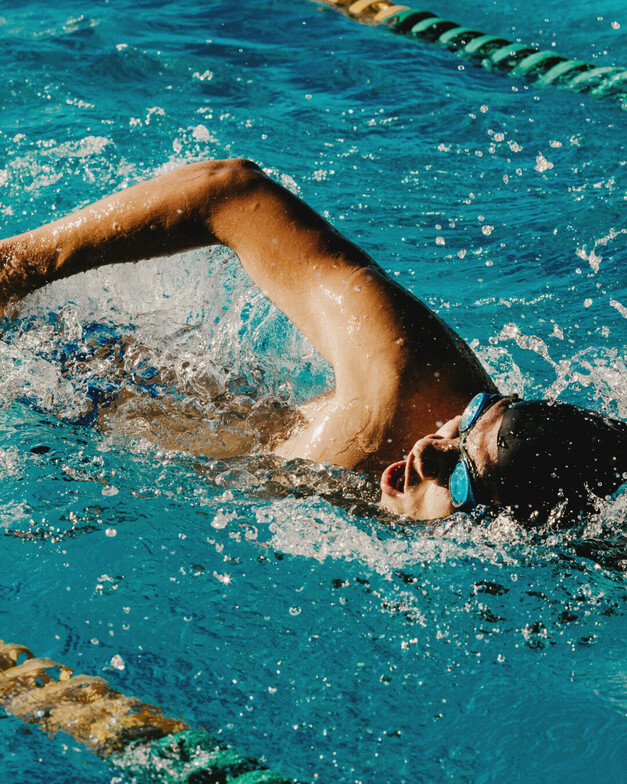
Whether you're swimming laps for fitness, training for a competition, or simply enjoying time at the pool, swimming is one of the most popular low-impact forms of exercise. It provides full-body workout while placing less stress on the joints than many land-based activities.
Although swimming is often considered a gentle activity, it can still lead to aches, pains, or injuries, especially when training volume increases or technique changes. Physiotherapy can play a role in assessing movement, supporting recovery from injuries, and helping swimmers return to the activities they enjoy.
If you're looking for physiotherapy in Ottawa for swimming related concerns, here's what you should know.
Why Swimming Can Still Lead to Injuries
Swimming involves thousands of repetitive movements during a single session. Over time, these repeated motions can place stress on muscles, tendons, and joints.
Several factors may contribute to discomfort, including:
- Repetitive overhead arm movements
- Changes in training intensity or distance
- Muscle weakness or imbalance
- Reduced flexibility or joint mobility
- Poor stroke mechanics
- Limited recovery between training sessions
Experiencing discomfort doesn't always mean you have a serious injury, but persistent pain is worth having assessed by a healthcare professional.
Common Swimming Injuries
Swimmer's Shoulder
Shoulder pain is one of the most common complaints among swimmers because every stroke requires repeated overhead movement.
Symptoms may include:
- Pain during or after swimming
- Difficulty reaching overhead
- Shoulder weakness
- Pain when lying on the affected side
A physiotherapist can assess shoulder strength, mobility, and movement patterns to determine factors that may be contributing to your symptoms.
Neck Pain
Many swimmers repeatedly roate or extend their neck, particularly during freestyle breathing or certain strokes. Over time, this may contribute to neck stiffness or discomfort.
Neck pain may be related to:
- Breathing technique
- Muscle fatigue
- Reduced mobility
- Training volume
Low Back Pain
Some swimming strokes place greater demands on the lower back. Butterfly and breaststroke, for example, may involve repeated spinal extension.
Lower back discomfort may also develop if core muscles fatigue during longer training sessions.
Knee Pain
Breaststroke places unique stresses on the knees because of the whip kick.
Some swimmers notice:
- Pain along the inside of the knee
- Stiffness after swimming
- Discomfort during kicking drills
A physiotherapy assessment can help identify possible contributing factors and guide appropriate management.
Hip or Groin Pain
The repetitive kicking motion used in swimming can sometimes irritate muscles around the hips or groin, particularly when training volume increases.
Maintaining strength and mobility may help swimmers tolerate training demands.
How Physiotherapy May Help Swimmers
Physiotherapy is individualized to each person's needs. Following an assessment, your physiotherapist may recommend strategies based on your symptoms, goals, and physical examination.
Treatment may include:
- Education about activity modification
- Exercises to improve strength and endurance
- Mobility and flexibility exercises
- Manual therapy, when appropriate
- Advice on gradually returning to swimming
- Guidance on managing training loads
The goal is to help you move comfortably and confidently while supporting your return to swimming.
Can Physiotherapy Help Improve Swimming Performance?
While physiotherapy is not a substitute for swim coaching, it can help identify physical factors that may affect movement.
For example, your physiotherapist may assess:
- Shoulder mobility
- Core strength
- Hip mobility
- Balance between muscle groups
- Overall movement patterns
Addressing physical limitations may help swimmers move more efficiently and tolerate training more comfortably.
Tips to Reduce the Risk of Swimming Injuries
Although injuries cannot always be prevented, these habits may reduce unnecesssary strain:
- Increase training gradually.
- Warm up before getting into the pool.
- Include strength training alongside swimming
- Allow time for recovery between harder workouts.
- Pay attention to persistent pain rather than pushing through it.
- Consider reviewing your stroke technique with a qualified swim coach.
Swimming in Ottawa
Ottawa offers many opportunities to stay active in the water throughout the year. Whether you swim recreationally, train with a local club, or prepare for a triathlon, staying healthy can help you continue enjoying the sport.
If pain, stiffness, or an injury is limiting your ability to swim, a physiotherapist can assess your condition, discuss your goals, and recommend an individualized treatment plan based on your needs.
Frequently Asked Questions
Can I continue swimming if I have shoulder pain?
That depends on the cause and severity of your symptoms. Some people may be able to modify their activity, while others may benefit from temporarily reducing training. A physiotherapist can assess your condition and provide individualized recommendations.
Is swimming good for recovering from injuries?
Swimming is sometimes included as part of a rehabilitation program because it is generally low impact. However, whether it is appropriate depends on the injury and stage of recovery.
Do recreational swimmers get injuries too?
Yes. While competitive swimmers often train more frequently, recreational swimmers can also develop overuse injuries or experience pain related to technique, strength, or changes in activity.
When should I see a physiotherapist?
Consider booking an assessment if pain is persistent, affecting your swimming, limiting daily activities, or returning each time you swim.
Looking for Physiotherapy in Ottawa?
At Premier Physiotherapy Clinic in Ottawa, we assess and treat a wide range of musculoskeletal conditions. If swimming-related pain is affecting your ability to stay active, our physiotherapists can work with you to understand your symptoms and develop a treatment plan that aligns with your goals.
Whether you're training for your next race, swimming for fitness, or simply enjoying time in the water, we're here to help you keep moving.
.jpg)