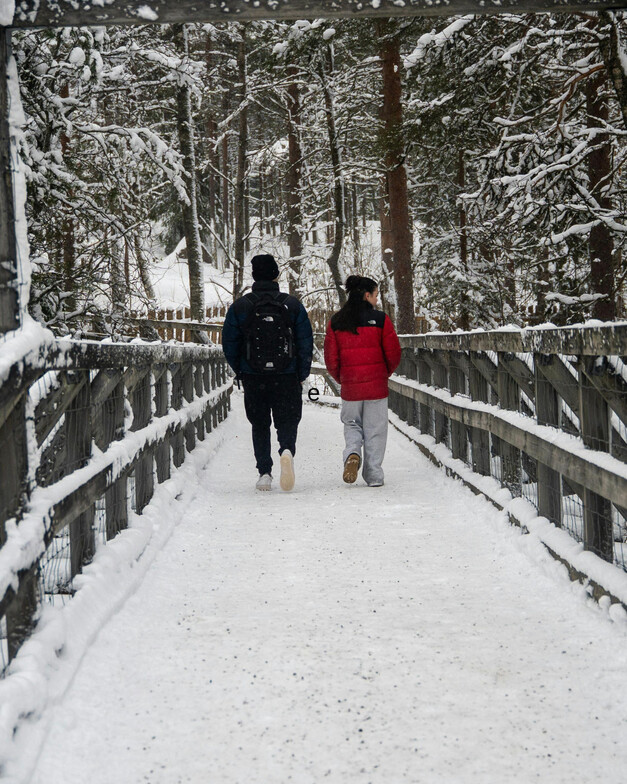
Walking is a commonly recommended form of physical activity and can support general mobility, circulation, and overall well-being. During Ottawa winters, however, snow, ice, and cold temperatures can make walking more challenging and may contribute to stiffness, discomfort, or concern about slipping and falling.
At Premier Physiotherapy, we frequently speak with individuals who reduce their activity levels during winter months due weather conditions or physical symptoms. Staying active within personal limits amd comfort may help maintain function and confidence throughout the year. The following general strategies are intended for educational puprposes and may help support safe walking during winter condititons.
Indoor Walking Options
When outdoor conditions are icy or uneven, indoor walking can be an alternative way to stay active.
Examples of indoor walking locations in Ottawa include
- Shopping malls
- Museums (many offer free admission on Thursday evening, typically from 5-8pm)
- Grocery stores or hardware stores
- Community centres, arenas, or sport domes
Indoor environments often provide flatter, more predictable surfaces, which some individuals may find more comfortable or manageable.
Physiotherapy perspective: A physiotherapist can discuss walking volume, pacing, and environmental considerations based on individual needs and health history.
Dressing for Winter Walking
Cold temperatures can affect comfort and movement. Dressing appropriately may help maintain warmth and reduce stiffness while walking outdoors.
General considerations include:
- Wearing layers to retain warmth
- Using scarves or masks to protect the face from cold air
- Choosing well-fitted, supportive footwear with appropriate traction
Some individuals use removeable traction aids or snowshoes depending on terrain and comfort.
Physiotherapy perspective: Footwear and walking aids may affect balance and movement patterns. A physiotherapist can provide general guidance based on individual presentation.
Walking Poles and Stability
Nordic or urban walking poles are sometimes used to provide additional stability and encourage upright posture during walking.
Potential considerations:
- Increased involvement of the upper body
- Additional points of contact with the ground
- Enhanced confidence on uneven or slippery surfaces
Different pole designs may suit different preferences and environments.
Physiotherapy perspective: A physiotherapist can discuss whether walking poles may be appropriate and provide instruction on their use, if indicated.
Warm Up Before Walking
Cold weather may increase feelings of stiffness. A brief warm-up prior to walking may help prepare the body for movement.
Examples of gentle movements include:
- Marching on the spot
- Heel-to-toe rocking
- Hip circles
- Shoulder rolls
Movements should be comfortable and performed within personal limits.
Physiotherapy perspective: Warm-up activities may be individualized depending on mobility, symptoms, and previous injury.
Social Support and Consistency
Walking with a family member, friend, neighbour, or group may help some individuals remain consistent with activity during winter months. Social support can also improve confidence and enjoyment.
Physiotherapy perspective: Balance, strength, and confidence may influence walking independence. These factors can be discussed during a physiotherapy assessment.
Combining Walking with Other Forms of Exercise
Walking alone may not address all aspects of physical conditioning. Some individuals choose to complement walking with additional exercises focused on strength, balance, or mobility, including online or home-based programs.
Physiotherapy perspective: A physiotherapist may provide general exercise recommendations tailored to individual goals and physical considerations.
Physiotherapy Support During the Winter Months
Physiotherapist are trained to assess movement, function, and physical limitations. At Premier Physiotherapy, care is focused on assessment, education and individualized treatment plannng to support physical activity and daily function.
If winter walking is limited by pain, stiffness, balance concerns, or previous injury, a physiotherapist can help explore appropriate options based on individual circumstances.
Staying Active Through Ottawa Winters
Maintaining activity during winter may look different for everyone. Discussing movement strategies and physical concerns with a regulated health professional can help individuals make informed decisions that align with their needs and comfort.
If you have questions about winter activity or walking, consider discussing them during your visit to Premier Physiotherapy.

.jpg)