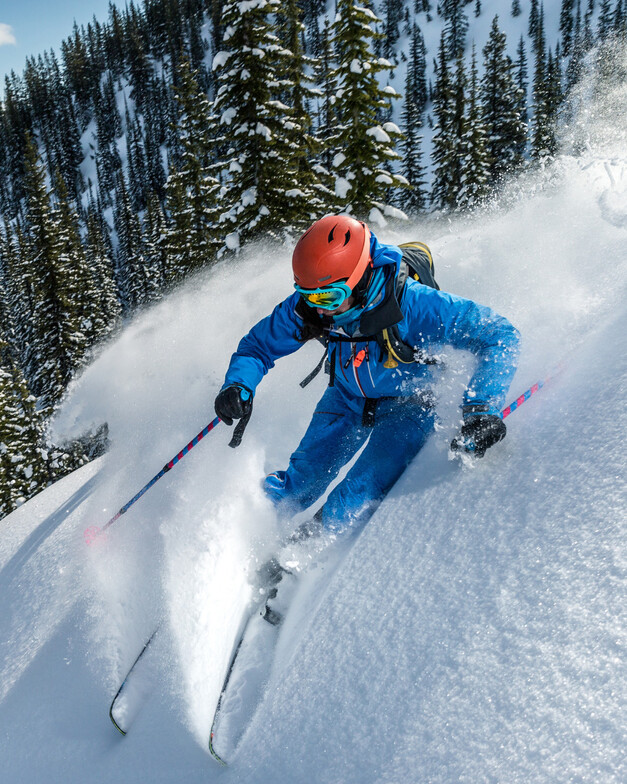
Downhill skiing is a fantastic way to enjoy Ottawa’s winter, but it requires preparation to avoid injury. Downhill skiing is a dynamic, full-body activity that requires coordination, strength, balance, and agility. Here’s an overview of essential movements involved in skiing and common injuries:
Lower Body Movements
- Knees: bend and straighten to absorb terrain changes, control turns, and maintain balance.
- Hips: essential for shifting weight to move forward, rotate, and side-to-side. Also important for generating power, absorbing bumps, edging, carving, and controlling turns.
- Ankles: crucial for controlling pressure into ski boots and weight transfer.
Core Movements
A strong, stable core maintains balance and transfers forces between upper and lower body.
- Trunk control: forward leaning while skiing, leaning side-to-side into turns, rotational control during twisting and directional changes, and recovering from bumps.
Upper Body Movements
- Shoulders: moving poles forward/back during skiing, and protraction/retraction to assist in turning torso during turns and for maintaining balance.
- Elbows: pushing poles into the ground and lifting them off the ground, and absorbing forces while landing.
- Thumbs & hands: gripping onto pole handles.
Common Types of Skiing Injuries
Skiing places high demands on the body, especially during turns, sudden stops, or falls. Some of the most common skiing injuries include:
Knee injuries
he knee is one of the most commonly injured areas in skiing. This can include ligament sprains (such as MCL or ACL injuries), meniscus injuries, or general knee pain from twisting movements.
Shoulder injuries
Falls or awkward landings can lead to shoulder strains, rotator cuff injuries, or dislocations.
Wrist and hand injuries
Trying to break a fall with the hands can result in wrist sprains, fractures, or thumb injuries (often referred to as “skier’s thumb”).
Lower back injuries
Repeated bending, twisting, and absorbing impact can cause muscle strains or joint irritation in the lower back.
Hip and thigh injuries
Muscle strains in the hips or thighs may occur due to sudden changes in direction or fatigue.
Head and neck injuries
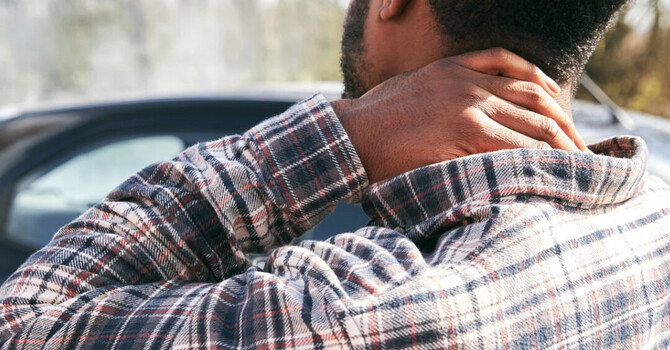
Whiplash-type neck strains or concussions can occur after falls or collisions. Any head injury should be assessed by a medical professional.
Physiotherapy can help assess these injuries, guide recovery, and support a safe return to skiing when appropriate.
How Physiotherapy Can Help & Tips to Prevent Skiing Injuries
Physiotherapy can help assess, manage, and support recovery from common skiing injuries such as knee, shoulder, wrist, back, and muscle strains. A registered physiotherapist will start with an assessment to understand how the injury occurred and how it is affecting movement and daily activities.
Treatment may include guided exercises to improve strength and flexibility, hands-on techniques to help restore movement, balance and coordination training, and education on safe movement patterns. Physiotherapy can also support a gradual return to skiing by helping you rebuild confidence and control.
Injury Prevention Tips for Skiers
- Warm up before skiing with light movement and gentle stretches
- Build strength and balance, especially in the legs, hips, and core
- Take breaks to reduce fatigue, which can increase injury risk
- Use proper equipment and ensure bindings are correctly adjusted
- Ski within your ability level, especially when conditions change
- Listen to your body and stop if pain or stiffness increases
Book an appointment with a physiotherapist at Premier Physiotherapy Clinic in Ottawa for personalized strategies regarding injury recovery and injury prevention techniques as ski season takes off.
Downhill Ski Hills for Day Trips Near Ottawa
| Ski Hill | Distance from Ottawa | Highlights |
|---|---|---|
| Camp Fortune | ~15–20 min (Gatineau, QC) | 24 runs; night skiing; beginner to expert terrain |
| Sommet Edelweiss | ~30 min (Wakefield, QC) | 20+ trails; family-friendly |
| Mont Cascades | ~45 min (Cantley, QC) | Mixed difficulty; cozy chalet |
| Mount Pakenham | ~45 min (Pakenham, ON) | 10 runs; beginner-friendly |
| Calabogie Peaks Resort | ~1 hr (Calabogie, ON) | 24 trails; tallest public ski resort in Eastern Ontario |
| Mont Ste-Marie | ~1+ hr (La Vallée-de-la-Gatineau, QC) | ~30 runs; highest vertical drop in the region; challenging terrain |
.jpg)