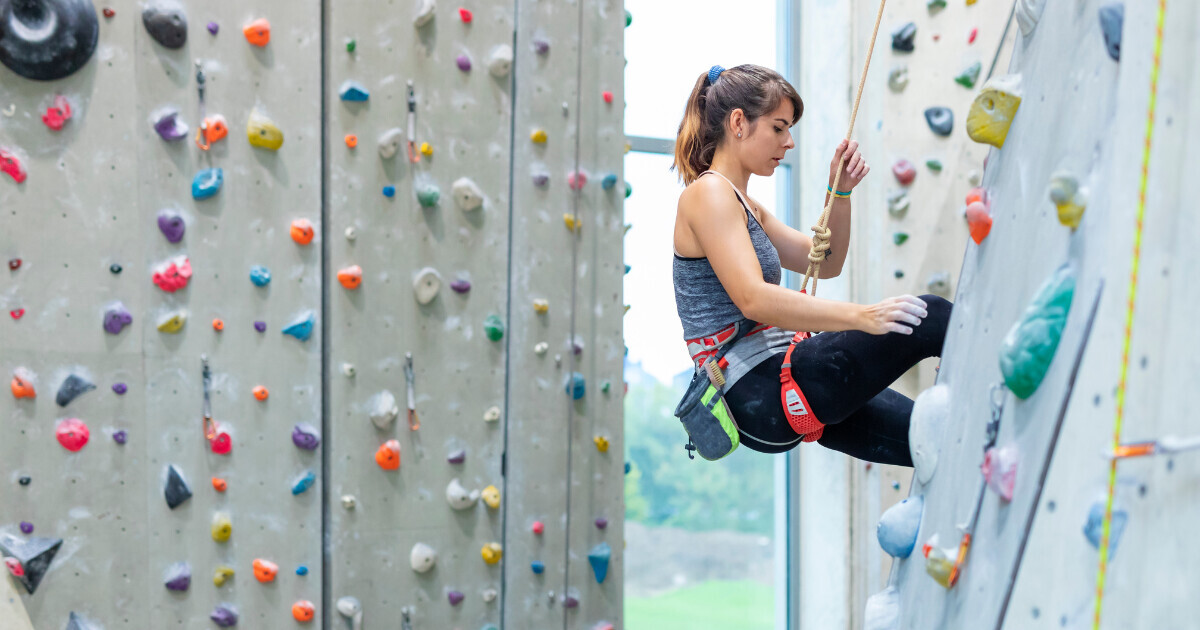
Whether you're tackling your first indoor climbing route or working toward your next outdoor adventure, rock climbing is an exciting way to challenge both your body and mind. It builds strength, balance, flexibility, coordination, and problem-solving skills, all while being a lot of fun.
Like any sport, however, climbing places unique demands on your body. Fingers, shoulders, elbows, and knees often work harder than many people realize. Understanding how to prepare, recover, and address discomfort early may help you continue enjoying the sport.
At Premier Physiotherapy in Ottawa, we work with people who participate in a wide variety of activities, including climbing, and help them return to the activities they enjoy through individualized assessment and rehabilitation.
Why Rock Climbing Is So Demanding
Rock climbing isn't just about upper body strength.
Every climb requires your entire body to work together. Your fingers grip tiny holds, your shoulders stabilize overhead movements, your core keeps you balanced, and your lregs generate much of the power to move efficiently.
Whether you're climbing indoors at a gym or exploring outdoor climbing sports near Ottawa and the National Capital Region, your body is constantly adapting to changing positions and loads.
Because of these repetitive movements, climbers can sometimes develop overuse injuries, particularly when training volume increases quickly or recovery is limited.
Common Rock Climbing Injuries
Finger Pain and Pulley Injuries
Finger injuries are among the most common concerns for climbers.
The small ligaments that support the finger tendons can become strained during powerful gripping or dynamic movements. Climbers may notice:
- Pain when gripping holds
- Swelling around a finger
- Reduced grip strength
- Difficulty climbing at previous levels
Early assessment can help determine the nature of the injury and guide appropriate management.
Shoulder Pain
Overhead reaching and pulling place considerable demand on the shoulder.
Some climbers notice discomfort when:
- Reaching overhead
- Pulling themselves upward
- Locking off during difficult moves
- Sleeping on the affected shoulder
Shoulder pain can have many contributing factors, including mobility, strength, technique, and training load.
Elbow Pain ("Climber's Elbow")
Repeated gripping can irritate the tendons around the elbow.
Symptoms may include:
- Pain along the inside or outside of the elbow
- Forearm tightness
- Reduced grip endurance
- Pain after climbing sessions
These symptoms often develop gradually rather than after a single event.
Wrist Pain
Climbing places the wrist in many challenging positions.
Pain may develop from:
- Repetitive loading
- Dynamic movements
- Falls onto an outstretched hand
- Limited wrist mobility
Knee and Ankle Injuries
Although climbing is often thought of as an upper-body sport, the lower body works just as hard.
Knees and ankles may become irritated from:
- High stepping
- Drop-knee positions
- Awkward landing during bouldering
- Twisting movements
Falss while bouldering may increase the risk of ankle injuries.
Can Physiotherapy Help Climbers?
Physiotherapy may help climbers understand why pain has developed and create a plan based on their goals.
Following an assessment, a physiotherapist may recommend strategies such as:
- Activity modification
- Mobility exercises
- Progressive strengthening
- Grip and forearm conditioning
- Shoulder stability exercises
- Balance and movement retraining
- Education on returning to climbing
Every climbing injury is different, which is why treatment should be tailored to the individual.
Tips to Help Reduce Injury Risk
While no strategy can completely prevent injury, these habits may help lower the risk.
Warm Up Before You Climb
Spend 10-15 minutes preparing your body with:
- Light climbing on easier routes
- Shoulder activation
- Wrist mobility
- Finger warm-up exercises
- Dynamic leg movements
Climbing specific warm ups may be more beneficial than jumping straight into difficult routes.
Increase Training Gradually
Avoid increasing, climbing frequency, difficulty, hangboard training, and campus board sessions all at the same time.
Gradual progression allows your muscles and tendons time to adapt.
Listen to Persistent Pain
Muscle soreness after climbing can be normal.
Pain that:
- continues during climbing,
- worsens over time,
- limits movement, or,
- persists for several days
may benefit from assessment rather than simply pushing through it.
Prioritize Recovery
Recovery is an important part of training. Helpful recovery habits include:
- Adequate sleep
- Staying hydrated
- Balanced nutrition
- Rest days
- Varying climbing intensity
Rock Climbing in Ottawa
Indoor climbing continues to grow in popularity throughout Ottawa, making it a great year-round activity regardless of the season.
Whether you're brand new to climbing or have years of experience, preparing your body appropiately and addressing concerns early may help you continue enjoying the sport.
If pain or an injury is making climbing less enjoyable, a physiotherapy assessment can help identify contributing factors and discuss management options based on your individual needs.
Looking for Physiotherapy in Ottawa?
Premier Physiotherapy provides assessment and treatment for a wide range of musculoskeletal conditions in Ottawa.
Whether your goal is returning to climbing, getting back to another sport, or simply moving more comfortably in everyday life, our physiotherapist work with you to develop an individualized treatment plan based on your assessment and goals.
Frequently Asked Questions
Can physiotherapy help with rock climbing injuries?
Physiotherapy may help assess climbing-related injuries, identify contributing factors, and develop an individualized rehabilitation plan.
What is the most common climbing injury?
Finger injuries, shoulder pain, and elbow pain are among the most commonly reported climbing related concerns.
Should I climb if I have finger pain?
The answer depends on the cause of the pain. Continuing to climb through certain injuries may delay recovery. An assessment can help determine appropriate activity modifications.
Is climbing good exercise?
Yes. Rock climbing is a full-body activity that chalenges strength, balance, endurance, flexibility, and coordination.
Where can I find physiotherapy for climbing injuries in Ottawa?
If you're looking for physiotherapy in Ottawa, Premier Physiotherapy offers individualized assessments for sports and activity related injuries, including concerns related tp climbing.
Ready to Keep Climbing?
Whether you're training for your next bouldering session or enjoying recreational climbing with friends, taking care of your body can help you stay active.
If climbing related pain is limiting your progress, the team at Premier Physiotherapy is here to help you better understand your symptoms and discuss treatment options tailored to your needs.
Helping Ottawa move with confidence, one climb at a time.
.jpg)