
You don't need to be an athlete to move a lot. From getting out of bed to carrying groceries, everyday movements add up, and small habits repeated daily can place extra strain on the body over time.
At Premier Physiotherapy, we often see people surprised to learn that discomfort isn't always caused by a single injury, but by how everyday movements are performed. Let's take a light-hearted look at 10 common daily movements that are often done inefficiently, and why awareness matters.
(No judgement here- we're all guility of at least a few)
1. Getting Out of Bed Like a Sit-Up 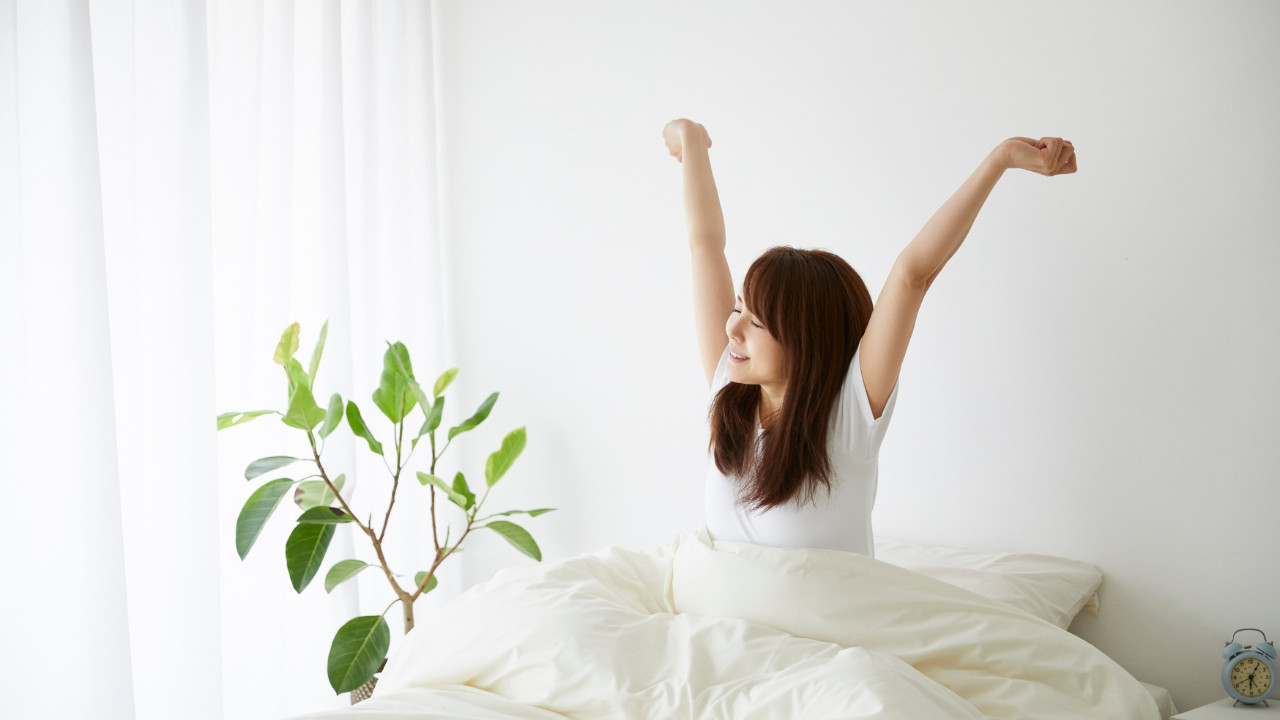
Many people sit straight up out of bed, placing extra strain on the neck and lower back.
Why it matters: First thing in the morning, the spine is often stiffer. Repeatedly bending forward at this time may increase discomfort for some people.
2. Slouching at Your Desk
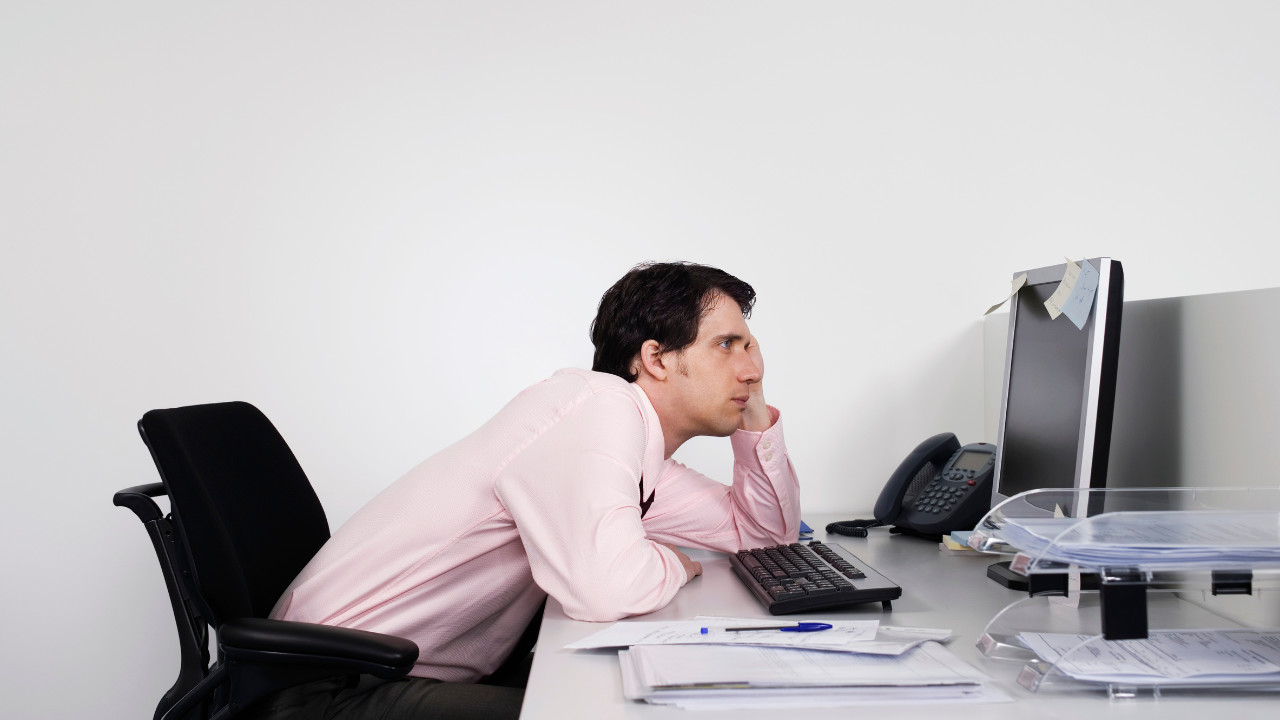
Long hours at a desk often lead to rounded shoulders and a forward head position.
Why it matters: Prolonged positions can stress muscles and joints, especially when breaks are limited.
3. Lifting Groceries With Straight Legs

Bending from the back instead of using the hips and legs is a very common habit
Why it matters: Inefficient lifting strategies may increase strain on the lower back over time.
4. Holding Your Phone at Chest Level (a.k.a "Text Neck")

Phones tend to pull our heads forward and down.
Why it matters: Sustained forward head posture can increase the load on the neck and upper back muscles.
5. Carrying Bags on One Side... Every Time

Whether it's a purse, backpack, or work bag, many people favour one side.
Why it matters: Repeated asymmetrical loading may affect posture and muscle balance.
6. Sitting Cross-Legged for Hours
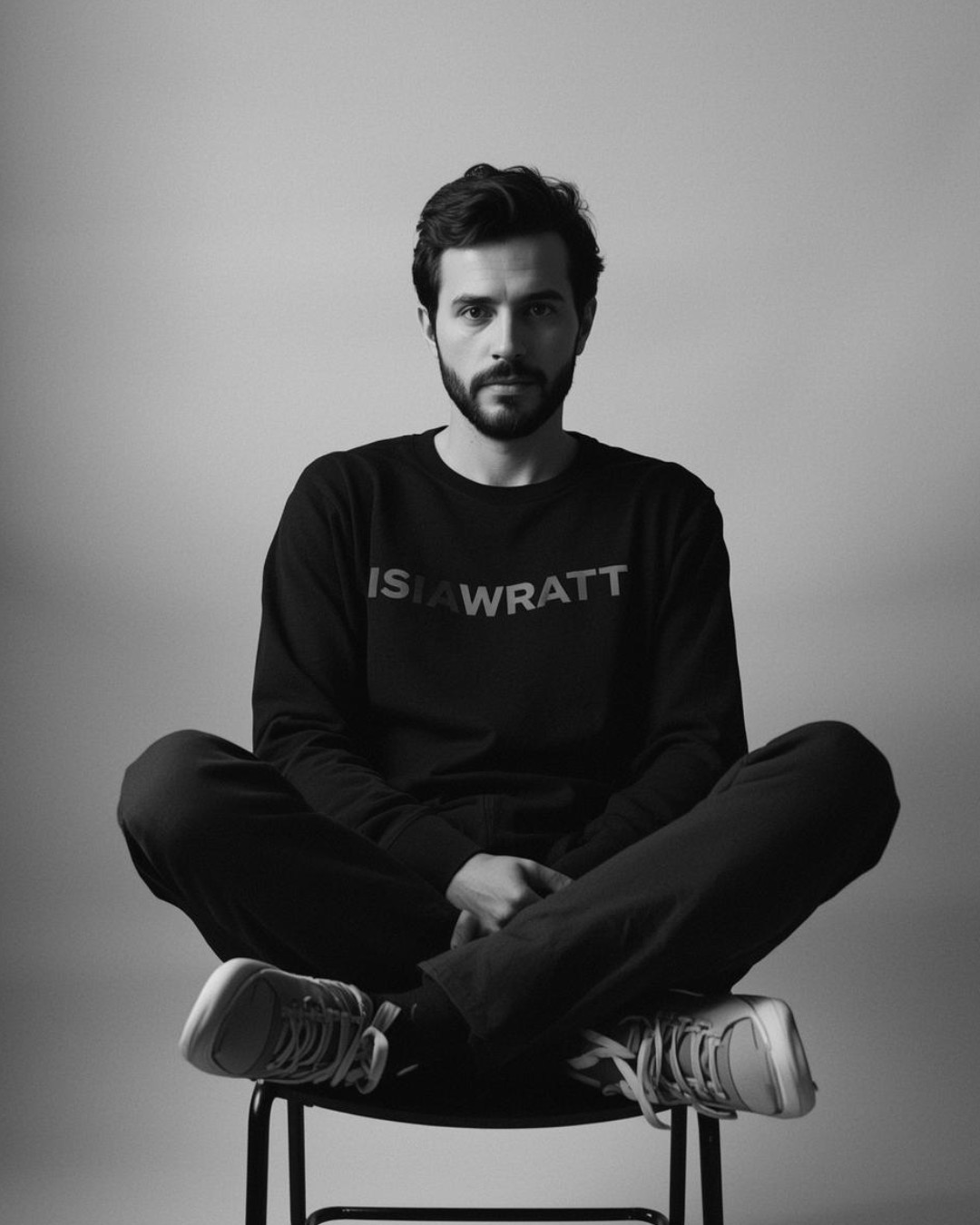
It feels comfortable... untile it doesn't.
Why it matters: Perlonged positions, especially when repeated daily, may contribute to hip or lower back stiffness.
7. Carrying Kids, Pets, or Heavy Items on One Hip

It's convenient, and we all do it. Especially for "just a minute".
Why it matters: Holding weight on one side of the body can place uneven demands on the hips, back, and shoulders, particularly when it's done often or for long periods.
8. Rushing Up Stairs Without Using Full Foot Contact
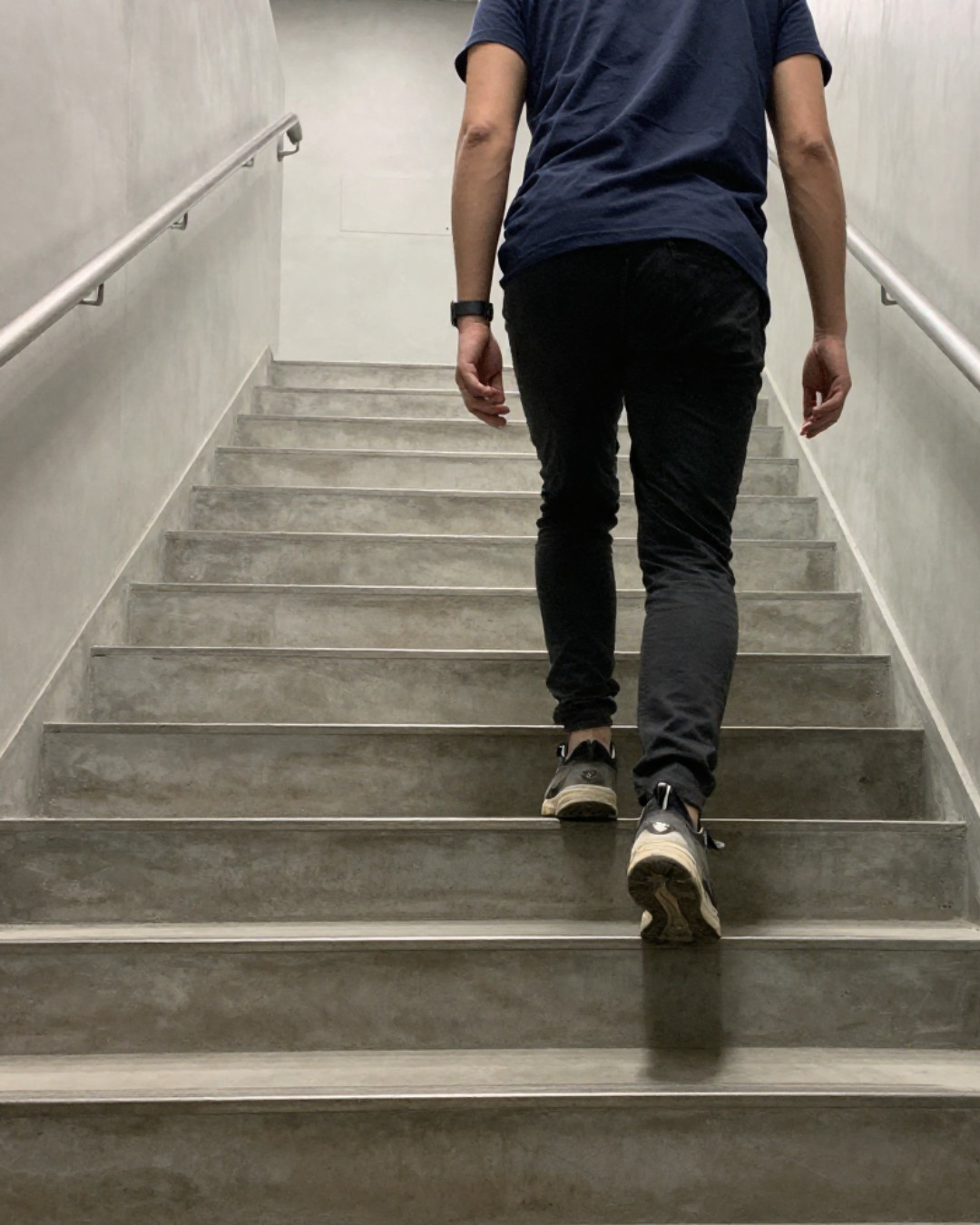
Many people stay on their toes when climbing stairs.
Why it matters: This can place more demand on the calves and knees, especially over time.
9. Twisting While Lifting

Grabbing items from the back seat or twisting while carrying loads is very common.
Why it matters: Combined bending and twisting may increase strain on spinal structures.
10. Ignoring Early Signs of Stiffness or Discomfort

Waiting for pain to "go away on its own" is something many of us do.
Why it matters: Early awareness of movement habits can help people make informed choices about their activity.
So... Are You Doing Everything "Wrong"?
Not necessarily. Bodies are adaptable, and there's no such thing as perfect posture or perfect movement. What matters is variety, awareness, and load management.
Physiotherapy can help people better understand how their body moves and how daily habits may relate to stiffness, discomfort, or activity limitations.
How Physiotherapy Can Help
Physiotherapy involves assessing movement patterns, strength, mobility, and functional tasks relevant to your daily life. Care may include:
- Education about movement and posture
- Exercises to support mobility and strength
- Strategies to vary positions and activities throughout the day
At Premier Physiotherapy, care is individualized and based on assessment findings and your personal goals.
Curious About Your Movement Habits?
If you're in Ottawa and want to learn more about how physiotherapy may support your everyday movement, Premier Physiotherapy can provide assessment and guidance tailored to you.
.jpg)